


Welcome back! This week we're covering the first global picture of floating algae in the ocean, two major grants for Gulf Coast resilience projects, and a new living shoreline product combining reef restoration with carbon storage.
Plus, if there are any founders and operators in the ocean and climate tech startup world who would like to learn about content marketing and how to use it to grow your business, I'm hosting a free session on May 7 to explore this topic. Register here.
🌿 Floating algae are expanding across the world's oceans
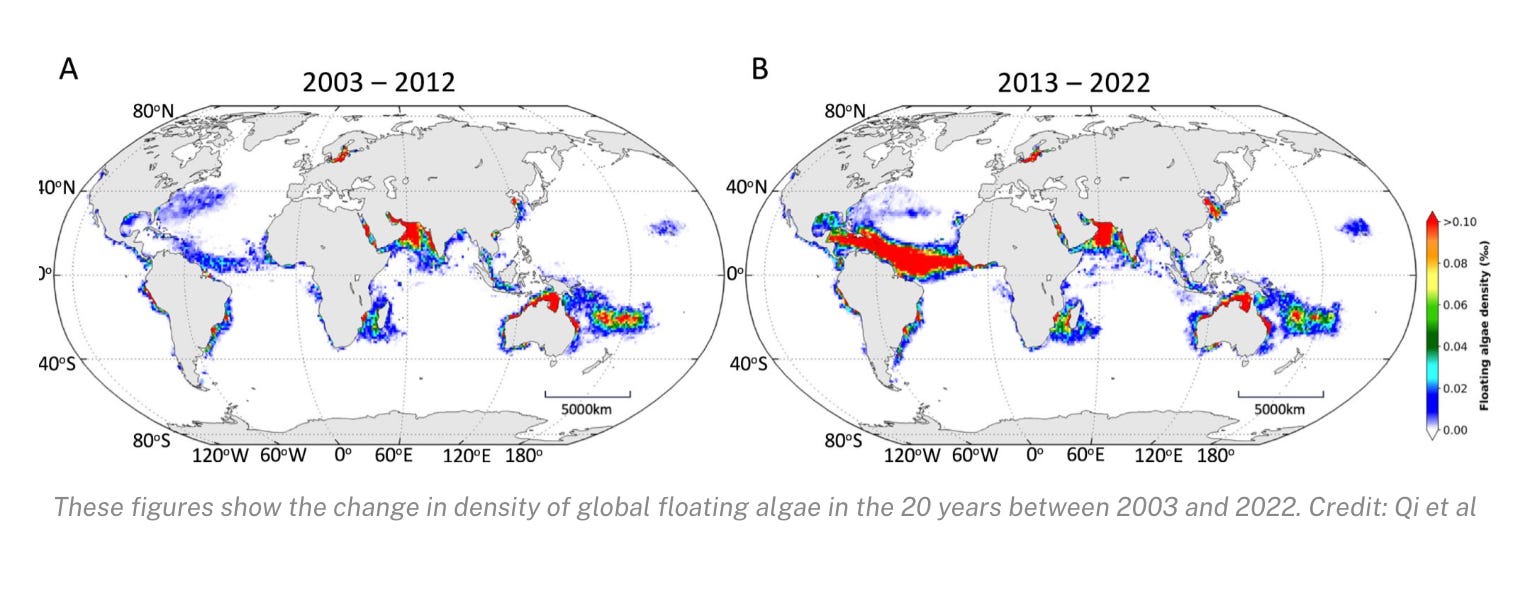
Researchers have produced a global picture of floating algae across the world’s oceans, and the findings point to a significant increase. Using AI to analyze 1.2 million satellite images spanning 20 years, scientists from the University of South Florida and NOAA found that both microalgal scum and larger macroalgal mats expanded steadily between 2003 and 2022, with macroalgae blooms growing at 13.4% per year in the tropical Atlantic and western Pacific.
Ocean warming, shifting currents, and nutrient runoff from human activity are driving the expansion. In open water, floating algae can provide habitat and nursery grounds for marine species, but the picture changes when blooms reach coastal areas, where decaying biomass damages ecosystems, local economies, and public health. The study, published in Nature Communications, gives scientists and coastal managers a global baseline to track these changes and anticipate their effects.
🏗️ $40 million to improve Gulf Coast resiliency
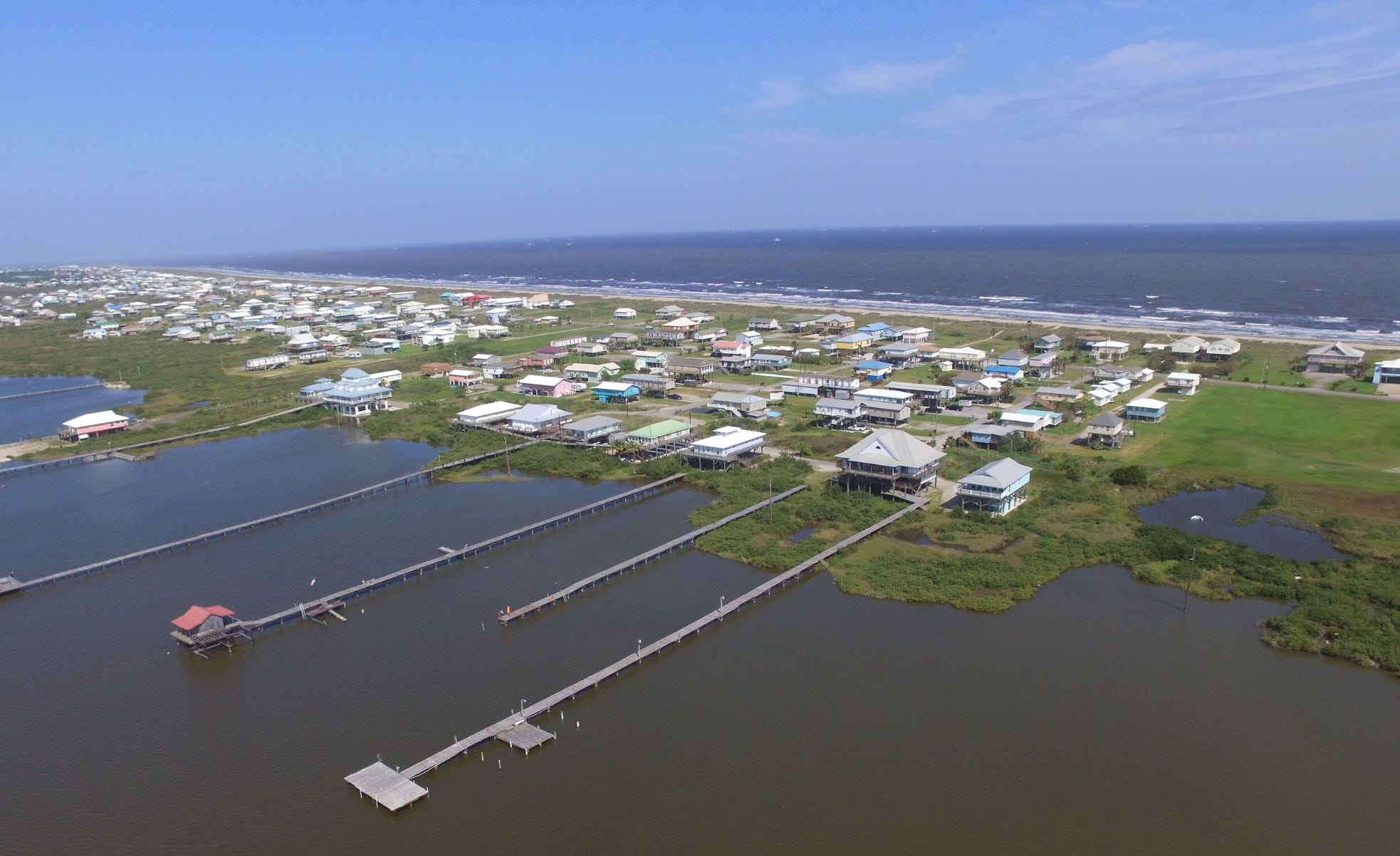
The National Academies of Sciences, Engineering, and Medicine’s Gulf Research Program has awarded $20 million each to two projects through its Gulf Futures Challenge, an initiative to fund science-driven solutions to key challenges facing the Gulf Coast region.
The Louisiana Public Health Institute will use its award to transform community health centers across four Gulf states into energy-independent, climate-adaptive facilities capable of staying operational before, during, and after natural disasters.
The Gulf Offshore Research Institute will use its award to research and demonstrate the repurposing of idle offshore oil and gas infrastructure for green hydrogen production, open ocean aquaculture, continuous data collection, and critical mineral harvesting.
🦪 Native Shorelines adds carbon storage to its reef restoration product
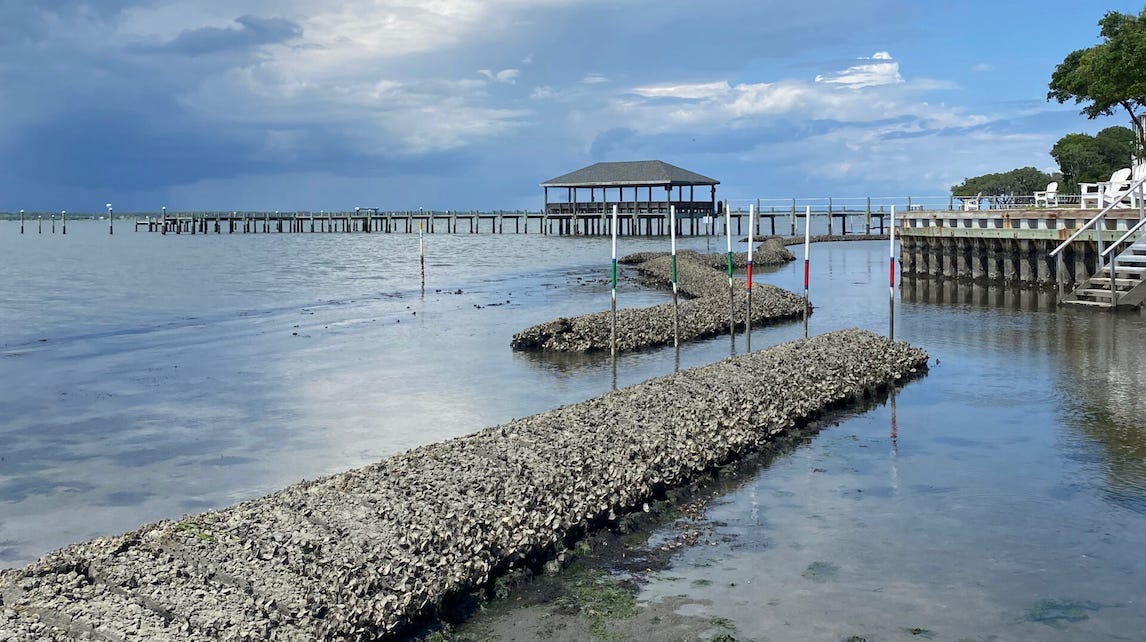
Native Shorelines, a division of Davey Resource Group, has a patent-pending enhancement to its QuickReef living shoreline system called QuickReef Carbon+. The product combines the existing reef units, made primarily from recycled oyster shell and natural limestone, with biochar produced from wood chips generated through Davey’s tree care operations.
Embedding the biochar – a stable, carbon-rich form of charcoal produced by heating biomass in low-oxygen conditions – into the reef structure gives the sequestered carbon a permanent home while building on QuickReef’s existing shoreline stabilization and habitat restoration functions.
Biochar is also known for its ability to absorb certain nutrients and contaminants in water. Beyond carbon sequestration, the Davey Institute is conducting applied research to quantify the water quality benefits of the new product, including its potential to absorb nutrients and PFAS from surrounding waters.
That's it for this week. If you have a story, company, or initiative you'd like to see featured, reach out.