


Welcome back! This week we’re covering the market growth in boat rentals, a study on aquaculture vs livestock regulations, and the impact of African ocean entrepreneurship.
Plus, a special thanks to Founding Blue for featuring Blue Tide. Founding Blue is an organization based in South Florida uniting tech and marine innovators driving sustainable growth. You can read the interview here.
🛥️ Boat rentals are booming
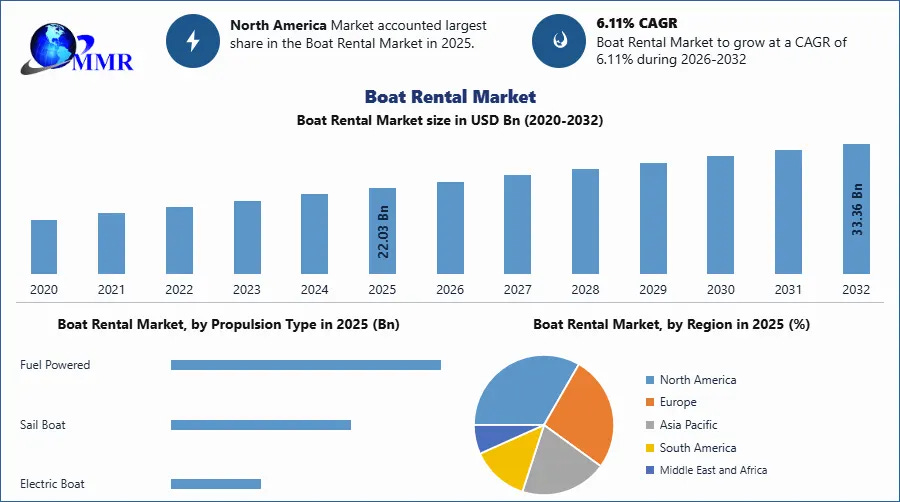
The global boat rental market was valued at $22.03 billion in 2025 and is projected to reach $33.36 billion by 2032, a steady annual growth rate of just over 6%. Growth is being driven by rising marine tourism, increasing recreational activity across all age groups, and growing middle-class disposable income. Digital booking platforms and boat rental apps have also made chartering more accessible to a wider range of travelers.
The luxury segment currently leads by boat class, driven by high-net-worth individuals chartering yachts and premium vessels for leisure and adventure tourism. Fuel-powered boats hold the largest share by propulsion type at 41%, with demand supported by marine events, sport fishing, and motorized water sports. Interest in electric and sailboat rentals is also growing.
⚖️ Aquaculture most regulated farming industry
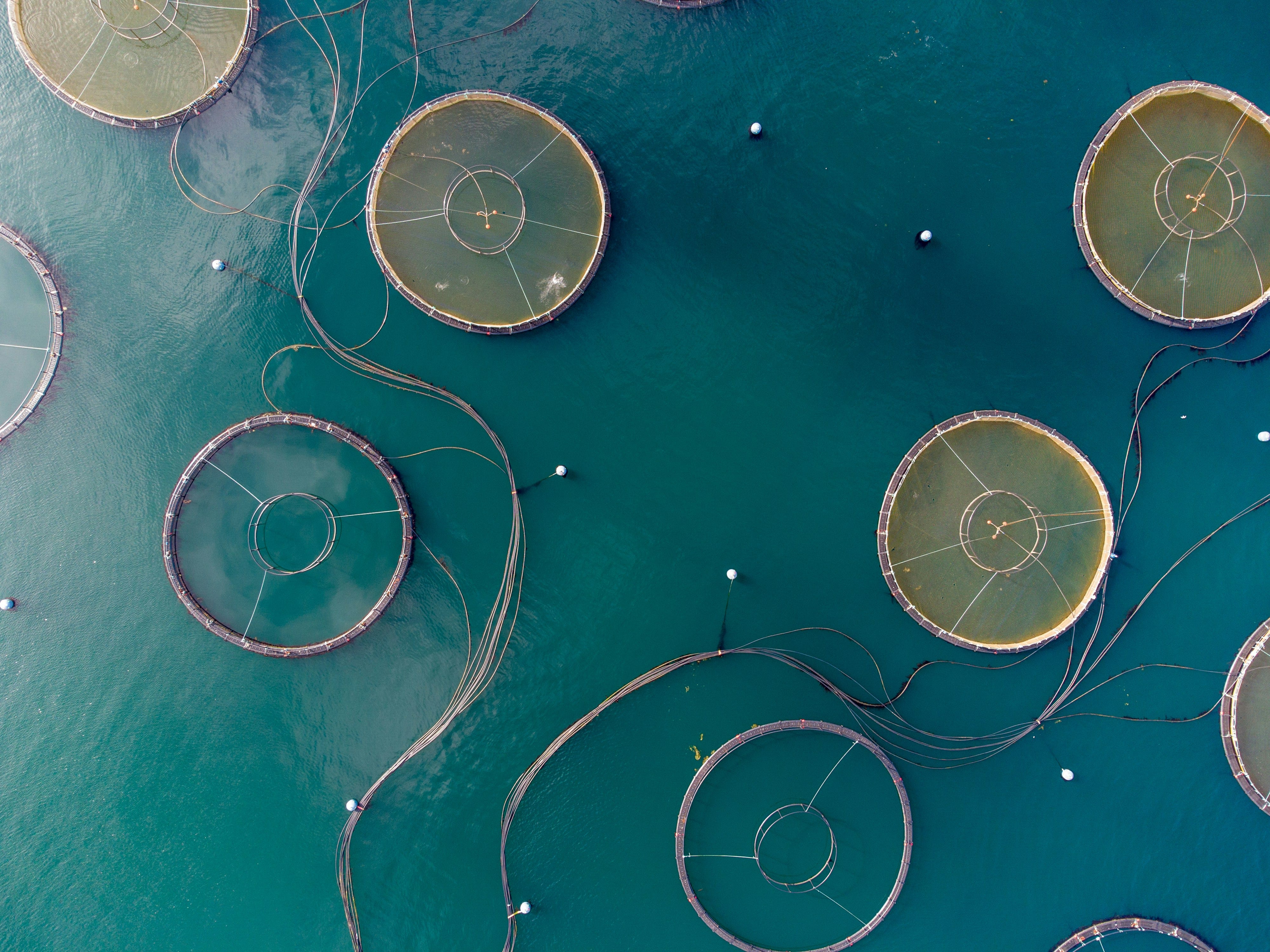
A new study from researchers at universities in the United States, United Kingdom, and Finland found that US aquaculture is subject to nearly eight times more federal regulations than livestock farming and nearly three times more than crop farming. It also faces five times more environmental regulations than sectors like beef and lamb, despite having a lower environmental impact.
The researchers identified three reasons for the disparity: aquaculture didn’t fit existing food production frameworks when it emerged, more federal agencies have authority over it than other sectors with little coordination between them, and there is limited political will to address the imbalance. They suggest federal agencies could look at standardizing the regulatory burden across food sectors relative to their actual environmental impact.
Read the full article here. (Contains a link to the study)
🌍 Ocean Hub Africa releases impact report
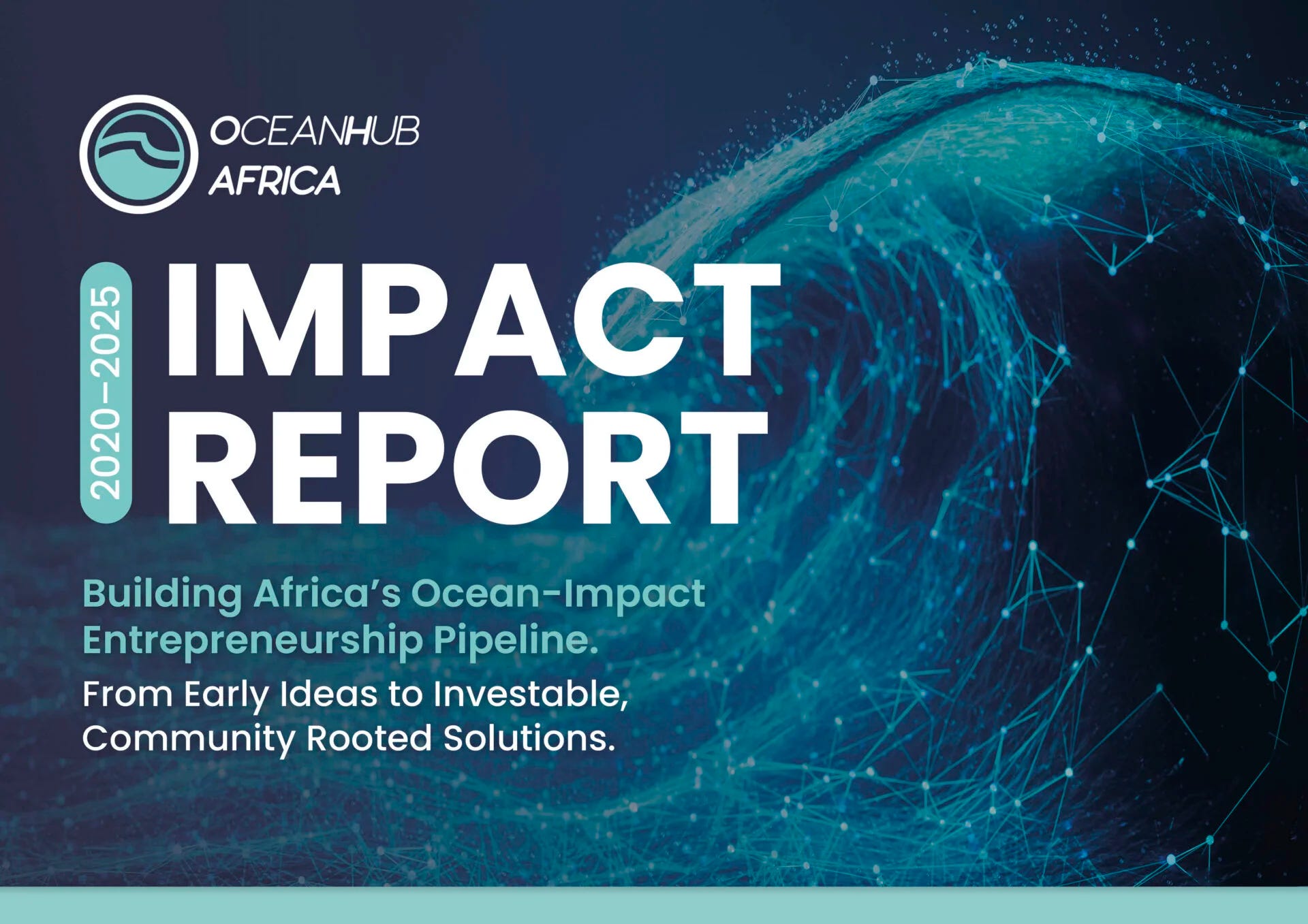
OceanHub Africa, the Cape Town-based ocean-impact accelerator operating across the continent, has published its first impact report, covering six years of work from 2020 to 2025. Since launch, the portfolio has supported 149 ocean-impact businesses across 43 African countries, with ventures collectively raising over $20 million and creating 1,735 blue jobs. The portfolio has a 90% startup survival rate.
On the environmental side, supported ventures and community programs have diverted 2,440 tonnes of macro-plastic, reduced 3,020 tonnes of greenhouse gas emissions, and protected or restored 55 hectares of coral reefs and 49 hectares of mangroves. Women make up 75% of direct coastal community beneficiaries and 41% of startup employees across the portfolio.
That's it for this week. If you have a story, company, or initiative you'd like to see featured in a future edition, reach out.