

Welcome back! This week we're looking at new research putting a dollar figure on what manta rays are worth to the Maldives, a land-based fish farming company solving one of aquaculture's biggest operational challenges, and a Miami startup taking its underground coastal flooding tech into field pilots across South Florida.
🤿 Manta ray tourism generates $311M a year for the Maldives
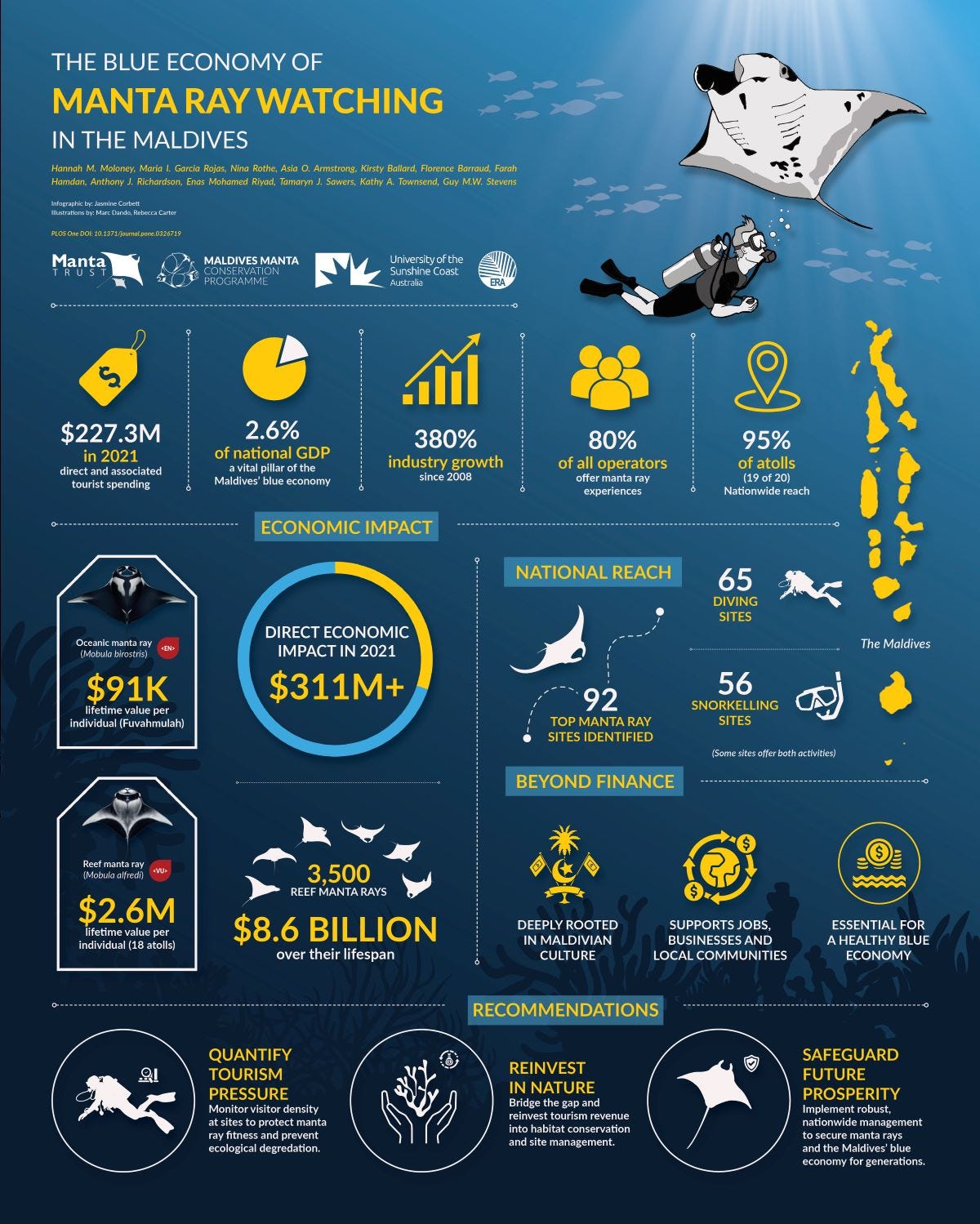
A new study puts a dollar figure on what manta rays are worth to the Maldives. In 2021, manta ray tourism generated $227.3 million in direct revenue, around 2.6% of national GDP, rising to more than $311 million annually when associated spending like salaries, taxes, and tourism expenditure is included. The industry has grown roughly 380% since 2008 and is now offered by 80% of tourism operators across the country. Researchers estimate the Maldives’ population of around 3,500 reef manta rays could generate $8.6 billion in cumulative tourism revenue over their lifetimes, with individual rays contributing up to $2.6 million each through repeated dive and snorkeling encounters.
The study, led by the Manta Trust and an international team of researchers, was motivated by two linked problems: global manta ray populations are declining and conservation funding has not kept up. The authors call for a greater share of tourism income to be reinvested into protecting key foraging and aggregation sites, improving monitoring of visitor pressure, and developing nationwide management strategies. Manta ray tourism now operates across 95% of the Maldives’ atolls and 92 identified dive and snorkeling sites, but the ecological impact of that scale remains poorly understood.
🐟 Aquagenesis is building energy-efficient land-based fish farms
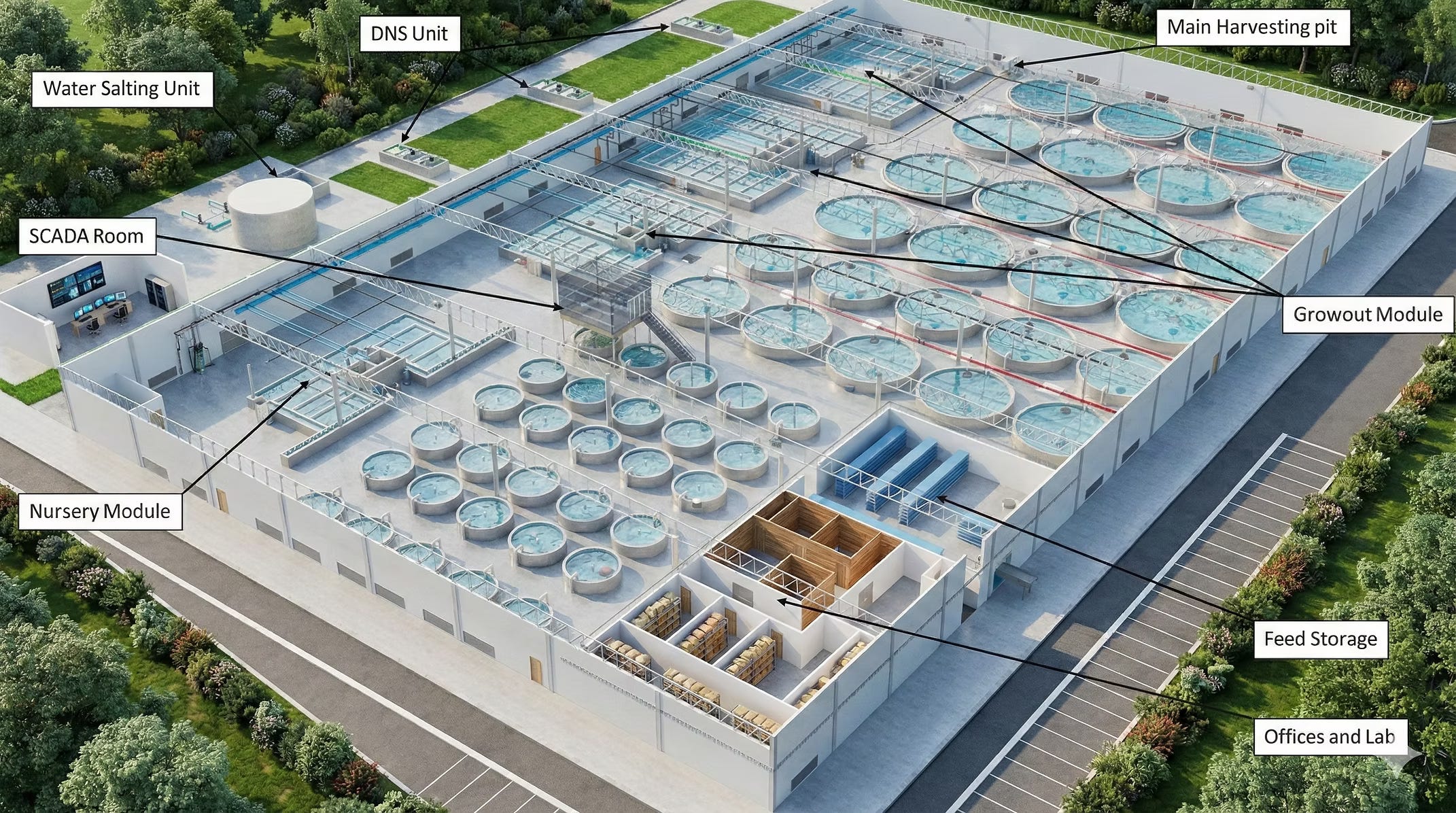
Aquagenesis designs and supplies recirculating aquaculture systems (RAS), closed-loop land-based facilities that grow fish without access to natural water bodies, chemicals, or antibiotics. The approach makes it theoretically possible to farm any species anywhere, like rainbow trout in Southeast Asia and shrimp in the Middle East. CEO Amit Fischer and CTO Ran Fischer, who brings three decades of engineering experience in water and aquaculture infrastructure, tailor each system to the specific biological and energy requirements of the project.
The company operates globally, with its strongest footprint across Vietnam, Indonesia, Thailand, and Singapore, and active projects in Mexico, Africa, and the Caribbean. Aquagenesis also takes on consulting work, often called in to assess projects that have struggled. Amit points to the same pattern in most cases, technically sound facilities let down by operational and management shortfalls rather than bad engineering. It’s a timely challenge to be working on. 2024 was the first year aquaculture surpassed wild capture fisheries in global production, and the gap between protein demand and supply continues to grow.
🌊 Sealor secures $1.1M grant to take its coastal flooding tech into the field
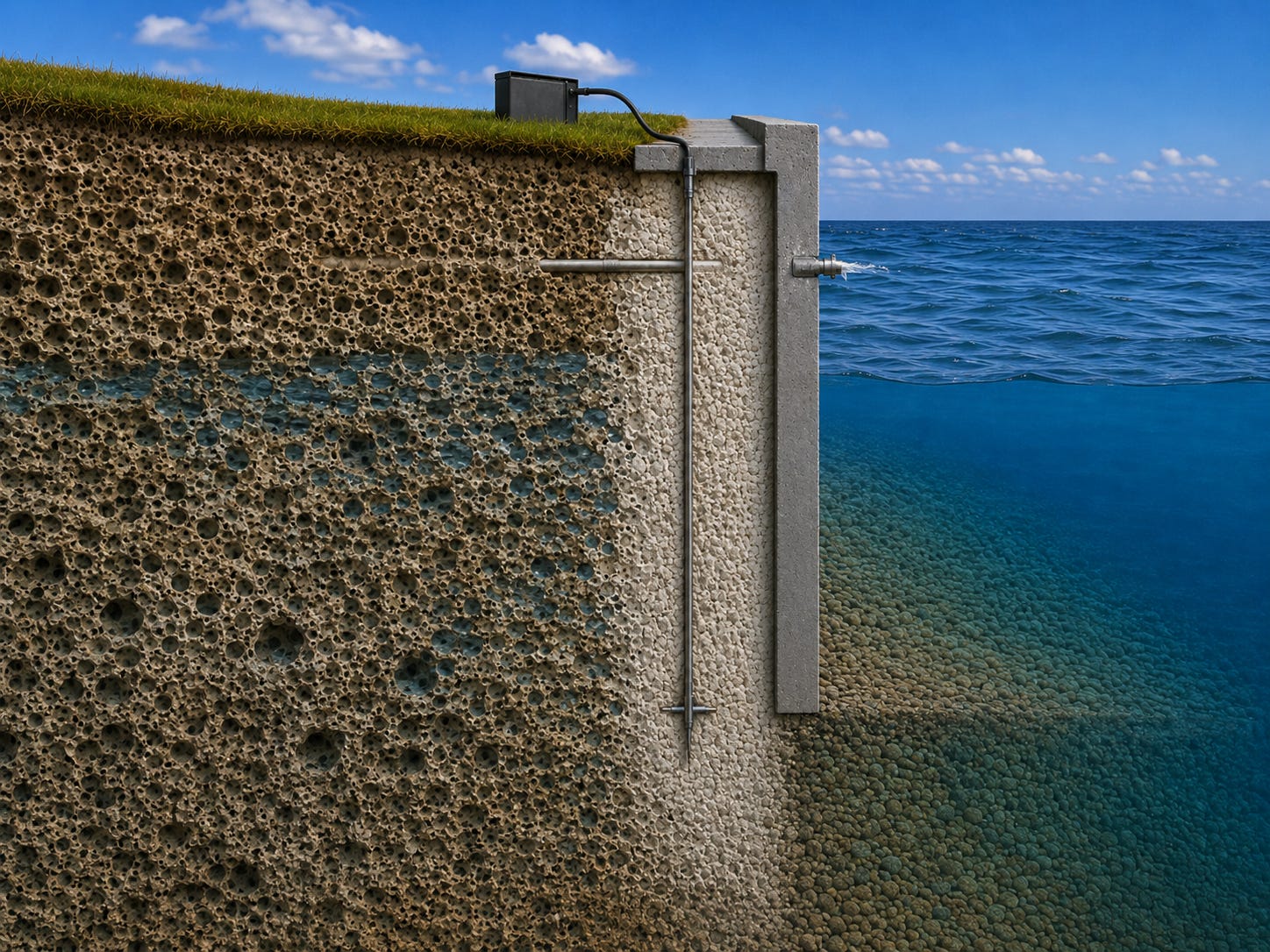
Miami-based Sealor has won a $1.1 million National Science Foundation SBIR Phase II award to move its coastal resilience technology from lab validation into field pilots across South Florida. Developed by climate-tech venture studio Nexuma, Sealor addresses a problem that’s mostly invisible until it becomes serious: seawalls, drainage systems, and roads failing from below as water moves through porous ground and erodes the support underneath. Rather than replacing existing structures, Sealor injects behind them and grows limestone-like mineral material inside the ground itself, cutting soil permeability and making it harder for water to push through.
The company recently cut its treatment time from around 12 weeks to 8 to 14 days, a meaningful step toward making the approach practical for municipalities and property owners weighing cost against disruption. Seawalls in South Florida typically last about 15 years, and conventional repairs tend to be costly and invasive. Sealor’s Phase I work validated the technology in lab conditions across porous sand and limestone, and Phase II funding will support real-world pilots. Longer term, Nexuma sees the technology extending to foundation protection, saltwater intrusion mitigation, and groundwater control.
That's it for this week. If you have a story, company, or initiative you'd like to see featured, reach out.