

Welcome back! This week we’re looking at how Deutsche Bank is making the case for the ocean as a long-term investment opportunity, a bipartisan U.S. Congress reaffirming its support for coastal resilience through Sea Grant funding, and a project converting Baltic Sea algae into a natural alternative to synthetic fertilizers.
🏦 Deutsche Bank is making the case for the ocean as a long-term investment
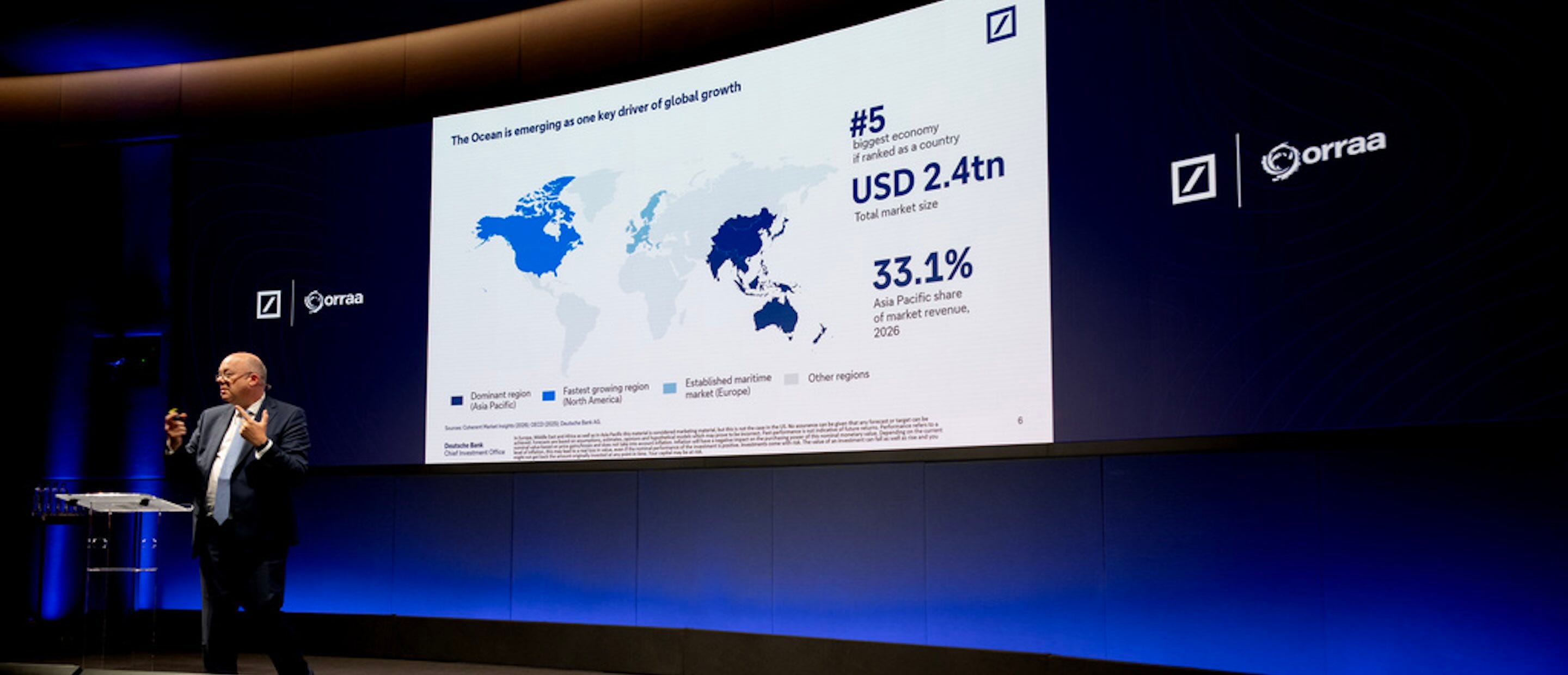
Deutsche Bank hosted its 2026 Ocean Summit alongside the Ocean Risk and Resilience Action Alliance, bringing together investors, policymakers, and entrepreneurs to examine how private capital can flow toward ocean resilience. Christian Nolting, the bank’s Global Chief Investment Officer, framed the ocean as central infrastructure for global trade, energy, and economic stability. Builders Vision’s Chief Strategy Officer Lisa Forbes went further, describing the shift to a regenerative blue economy as one of the most significant long-term financial opportunities of this generation.
The recurring message was that the capital exists, but the structures to deploy it at scale do not yet. Deutsche Bank’s Head of Sustainable Finance Esra Turk pointed to the need for clearer frameworks and a stronger pipeline of scalable opportunities to move blue finance from pilot projects into mainstream allocation. Several companies were highlighted as ventures already bridging that gap, including Matter, which captures microplastics before they enter waterways, ABALOBI, a digital platform supporting small-scale fishers, and DRIFT Energy, which produces green hydrogen at sea.
🌺 U.S. Congress reaffirms bipartisan support for Sea Grant, with Hawaii securing $2.4M
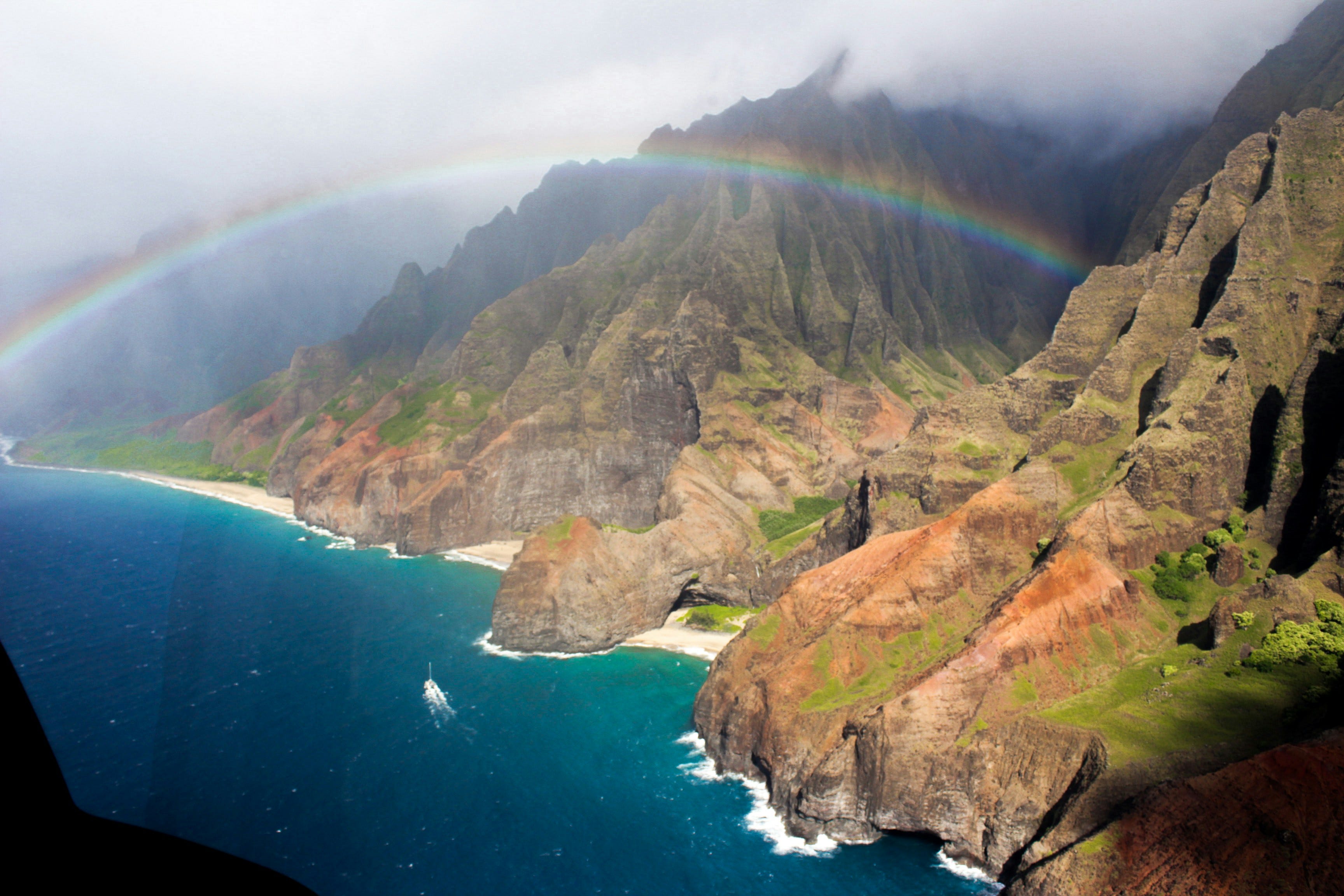
A bipartisan coalition in the U.S. Congress has extended funding for the National Sea Grant College Program through 2026, reaffirming federal commitment to coastal resilience, sustainable seafood, and ocean workforce development. The program, established in 1966, operates through a network of 34 university-based programs across coastal and Great Lakes states and territories, including Guam and Puerto Rico.
Hawaii’s congressional delegation secured roughly $2.4 million of that funding for the University of Hawaii Sea Grant College Program, which bridges academic research and community action on issues including coral restoration, aquaculture, and coastal hazard preparedness. The allocation was championed by Senator Brian Schatz, a senior member of the Senate Appropriations Committee, and Representative Ed Case, who called the program a decades-long model for sustainable coastal development and climate resilience.
🌿 Baltic Sea algae is being turned into a natural fertilizer alternative, with field trials now underway
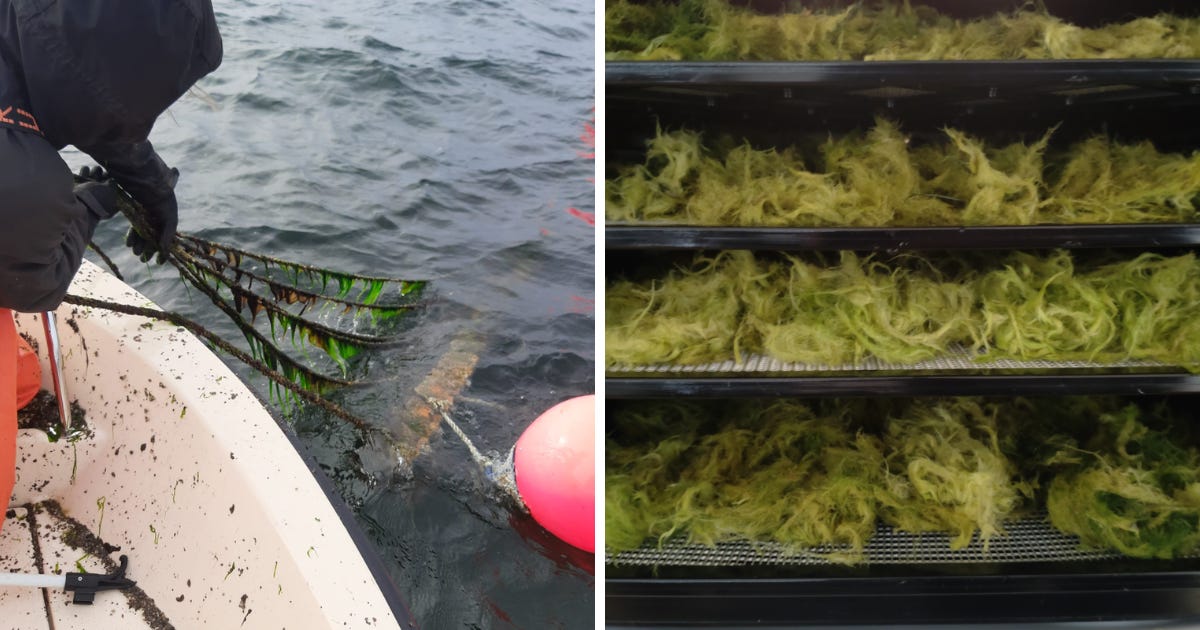
Fertilizer runoff from golf courses, lawns, and agriculture is one of the main drivers of eutrophication, the process where excess nitrogen and phosphorus strip oxygen from water and suffocate marine ecosystems. The Baltic Sea is one of the most affected bodies of water in the world. The Baltic Biostimulants project, funded by Finland’s Ministry of the Environment, is addressing this by harvesting the algae that eutrophication itself produces and converting it into a plant biostimulant that can replace synthetic fertilizers on golf courses, green areas, and eventually in agriculture.
After a year of lab testing, the team identified a fermentation-based extraction method that performed as well as commercial alternatives in greenhouse trials. Field trials began this spring, with the product now applied to fairways and teeing areas at Hirsala Golf as part of normal course maintenance. The project has a four-year runway and is already attracting interest from municipalities, research institutes, and stakeholders across several European countries, with commercialization in development alongside plans to expand to additional plant species and sectors.
That's it for this week. If you have a story, company, or initiative you'd like to see featured, reach out.