

Welcome back! This week we’re looking at a Miami startup closing a $10M round to scale 3D-printed living seawalls, the Dutch navy testing a fleet of autonomous vessels and drones, and a $15M federal award to modernize New England’s seafood industry with AI and robotics.
🪸 Kind Designs closes $10M round to scale 3D-printed living seawalls
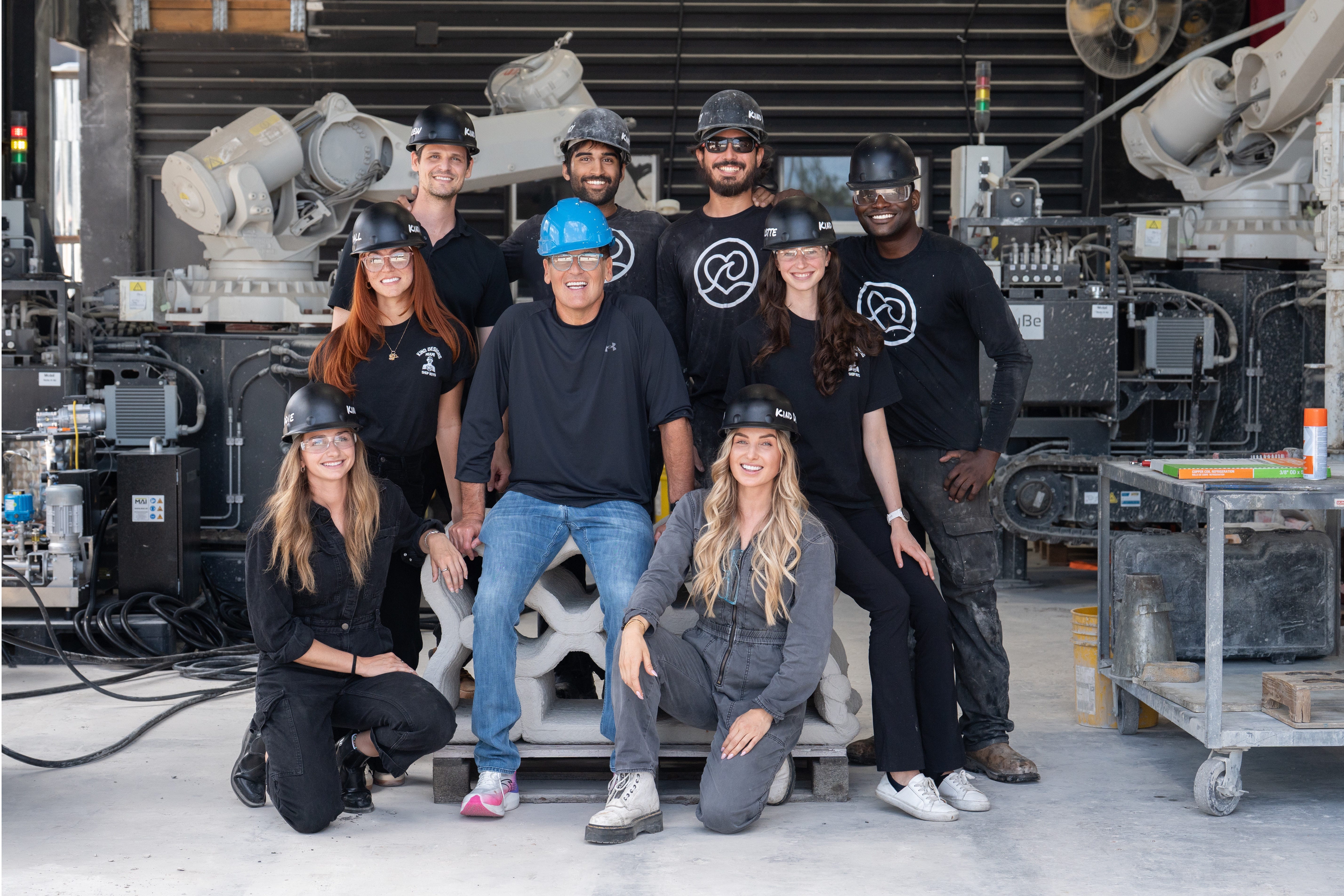
Miami-based Kind Designs set out to raise $5 million and ended up closing a $10 million Pre-Series A at a $70 million valuation. The round was backed by Mark Cuban, NBA forward Kyle Kuzma, former Washington D.C. Mayor Adrian Fenty, and several angel funds. The company makes 3D-printed seawalls designed to dissipate wave energy and function as marine habitat rather than the traditional concrete structures that erode over time and degrade the ecosystems around them.
The funding follows a breakout year for Kind Designs, which went from $1 million in revenue in 2025 to $10 million in contracted work and a $175 million active pipeline. Clients now include the Fontainebleau and Ritz-Carlton in Miami Beach, alongside municipal projects and a recently awarded $2 million U.S. Navy contract. Miami-Dade County rewrote its seawall codes to offer permitting discounts and mitigation exemptions for the company’s systems, and Governor DeSantis signed legislation directing the state to create further incentives for living seawall adoption.
🇳🇱 The Dutch navy is testing a fleet of uncrewed vessels and drones
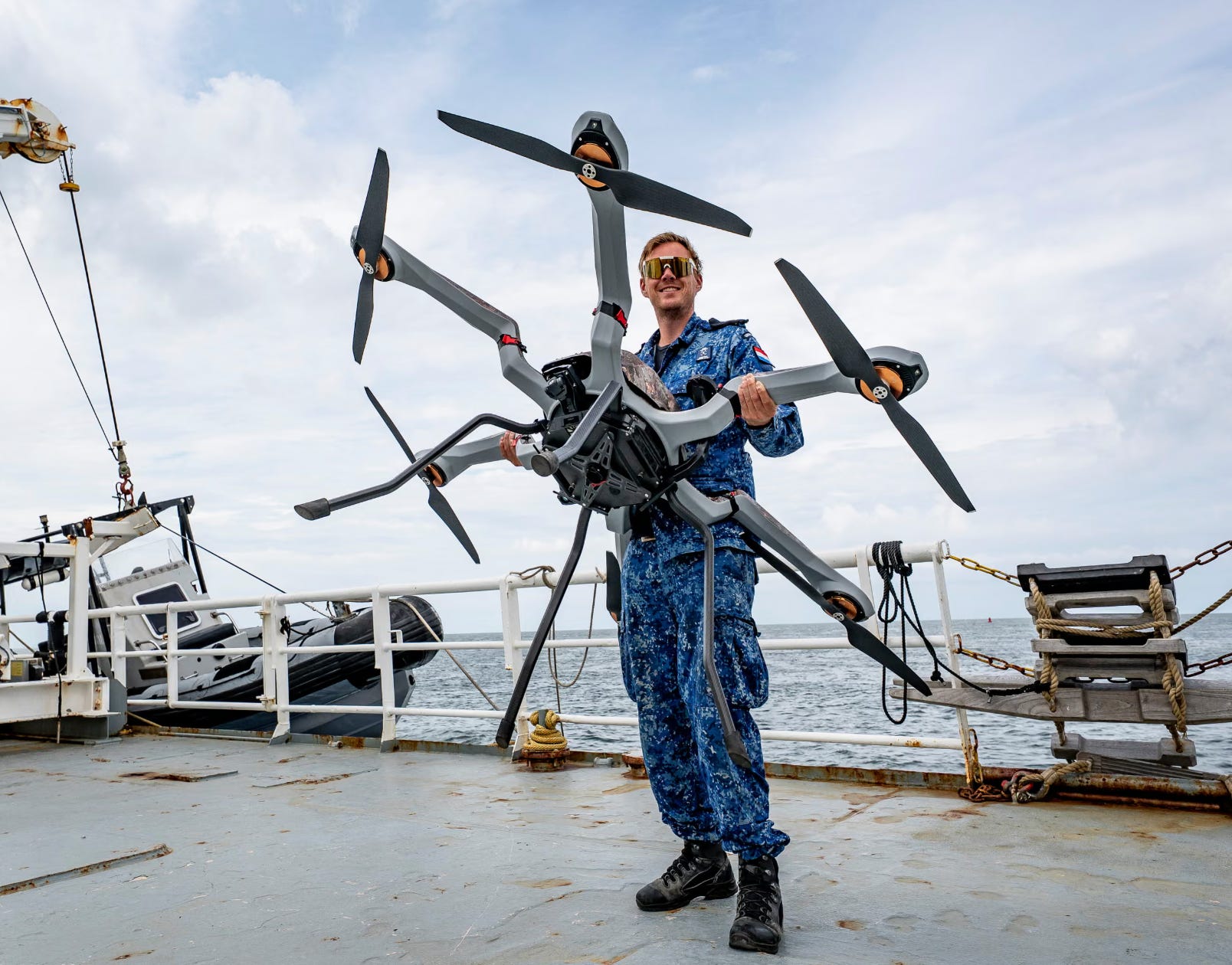
The Royal Netherlands Navy is running a five-week mission off the coast of Den Helder to test a coordinated system of uncrewed boats, underwater vehicles, and drones operating together with minimal human input. The setup centers on a repurposed offshore vessel that now serves as a testing base, deploying carbon-fiber drones, autonomous surface vessels called Defenders, and an undersea mine-mapping robot. The goal is to have uncrewed systems handle more than half of the navy’s work within five years, with crewed ships eventually surrounded by rings of autonomous platforms that manage surveillance, monitoring, and dangerous operations.
The Dutch approach is being watched closely by NATO partners operating in the North and Baltic seas, where maritime security has become a growing priority. Naval analysts describe the Netherlands as punching above its weight in this space, partly because its labor shortage gives it a practical incentive to move faster than larger navies. Human oversight remains built into the system, with commanders emphasizing that a person stays in the decision-making chain for any use of force, and that AI is treated as a tool that works for operators rather than one that thinks for them.
🦞 New England lands $15M NSF award to modernize its seafood industry
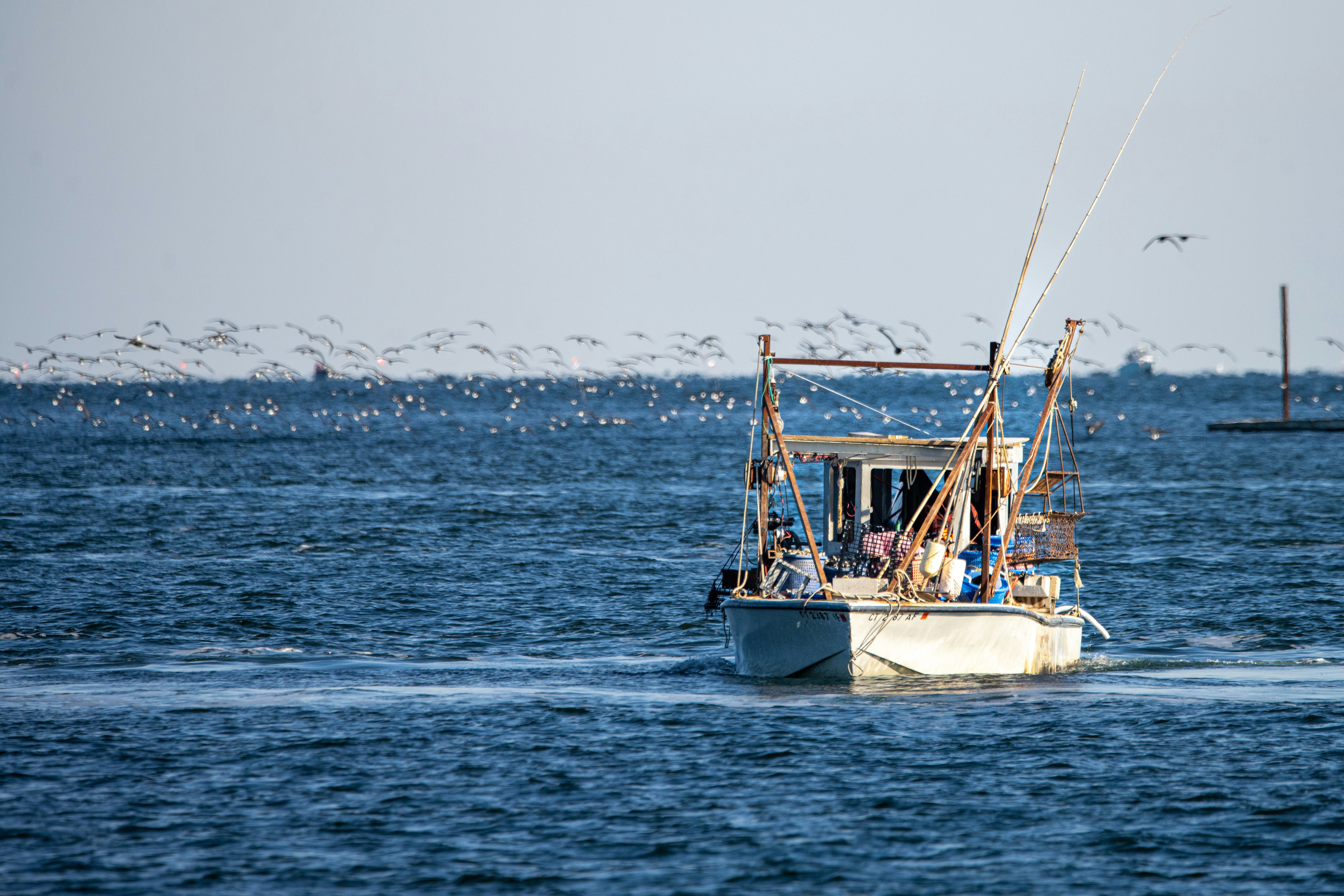
The U.S. National Science Foundation has awarded $15 million to the NSF Seafood Engine in New England, a coalition of seafood companies, tech firms, universities, and government partners across Maine, Massachusetts, New Hampshire, and Rhode Island. The funding could grow to $160 million over ten years, and will go toward deploying sensors from fishing vessels and aquaculture farms, funding blue tech companies moving from R&D into commercialization, and building apprenticeship programs for the next generation of industry workers.
New England’s seafood industry accounts for 25% of national seafood value but faces a $20 billion annual trade deficit. The Seafood Engine, led by Portsmouth-based nonprofit NERACOOS, aims to pair the region’s deep industry roots with AI, robotics, and advanced manufacturing to strengthen the full supply chain and improve the U.S.’s position in global seafood markets.
That's it for this week. If you have a story, company, or initiative you'd like to see featured, reach out.