


Welcome back! This week we're looking at a blue economy deal between France and Kenya, a new report on bottom trawling, and an organization launching one of the first certified marine biodiversity credits.
Also wanted to bring the NYC OceanTech Summit to your attention, hosted in early June. It'll bring together ocean innovators, entrepreneurs, investors, and researchers in the tristate area. Learn more here.
🇰🇪🇫🇷 Blue economy as diplomacy
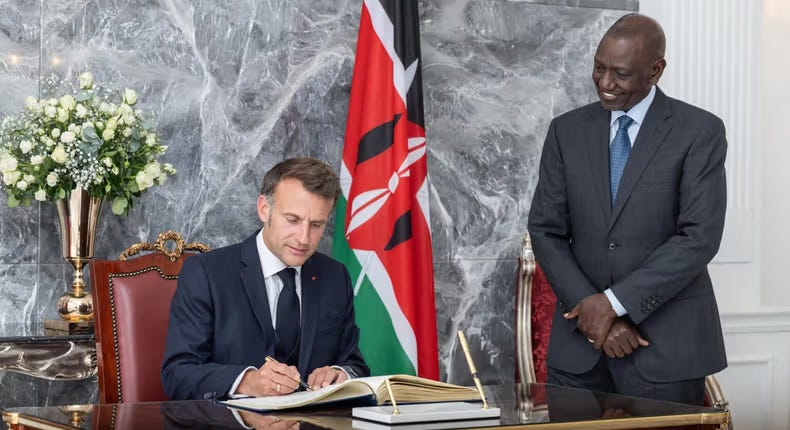
France signed over $1 billion worth of agreements with Kenya this week, covering 11 cooperation instruments across transport, infrastructure, maritime affairs, and economic development. Among them was a Declaration of Intent for Cooperation in Blue Economy and Fisheries, which is expected to strengthen collaboration in fisheries, maritime governance, aquaculture, ocean resource management, and sustainable coastal development along Kenya’s Indian Ocean coastline.
For France, the Kenya partnership represents a strategic opening in East Africa at a time when Paris is recalibrating its Africa policy following military withdrawals and political tensions in Mali, Burkina Faso, and Niger. Kenya, for its part, is actively positioning itself as East Africa's leading maritime and logistics hub, making it a strategic partner with an abundance of ocean resources.
🐟 Bottom trawling report breaks down a complex debate
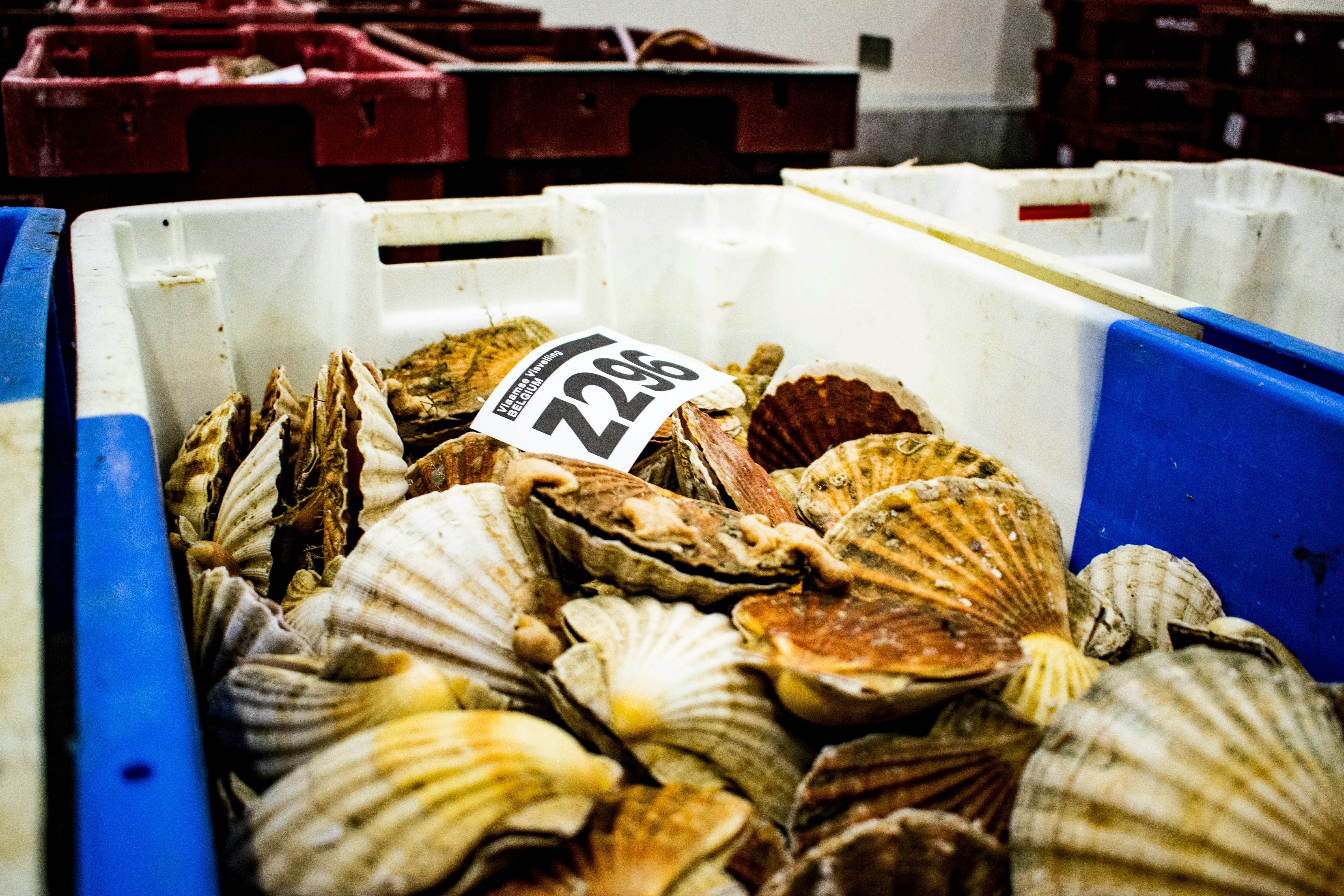
Bottom trawling is a fishing method where large nets are dragged along the seabed to catch fish, shellfish, and other species. It accounts for around a quarter of all wild-caught seafood globally, making it highly relevant to what ends up on our plates. It’s also one of the most debated fishing practices in the world, and the David Attenborough Ocean documentary brought it back into the headlines, prompting widespread public and political discussion about whether it should be banned.
MarFishEco, a fisheries consultancy that works with scientists, governments, NGOs, and fishing communities, has published a new report that aims to cut through the noise. It covers what bottom trawling is, what science says about its environmental impacts, the management tools that can reduce harm, and the debate around banning it in Marine Protected Areas. Rather than landing on a verdict, the report presents both sides of the argument and makes the case for solutions that reflect the realities of individual fisheries and regions.
🌿 One of the first certified marine biodiversity credits
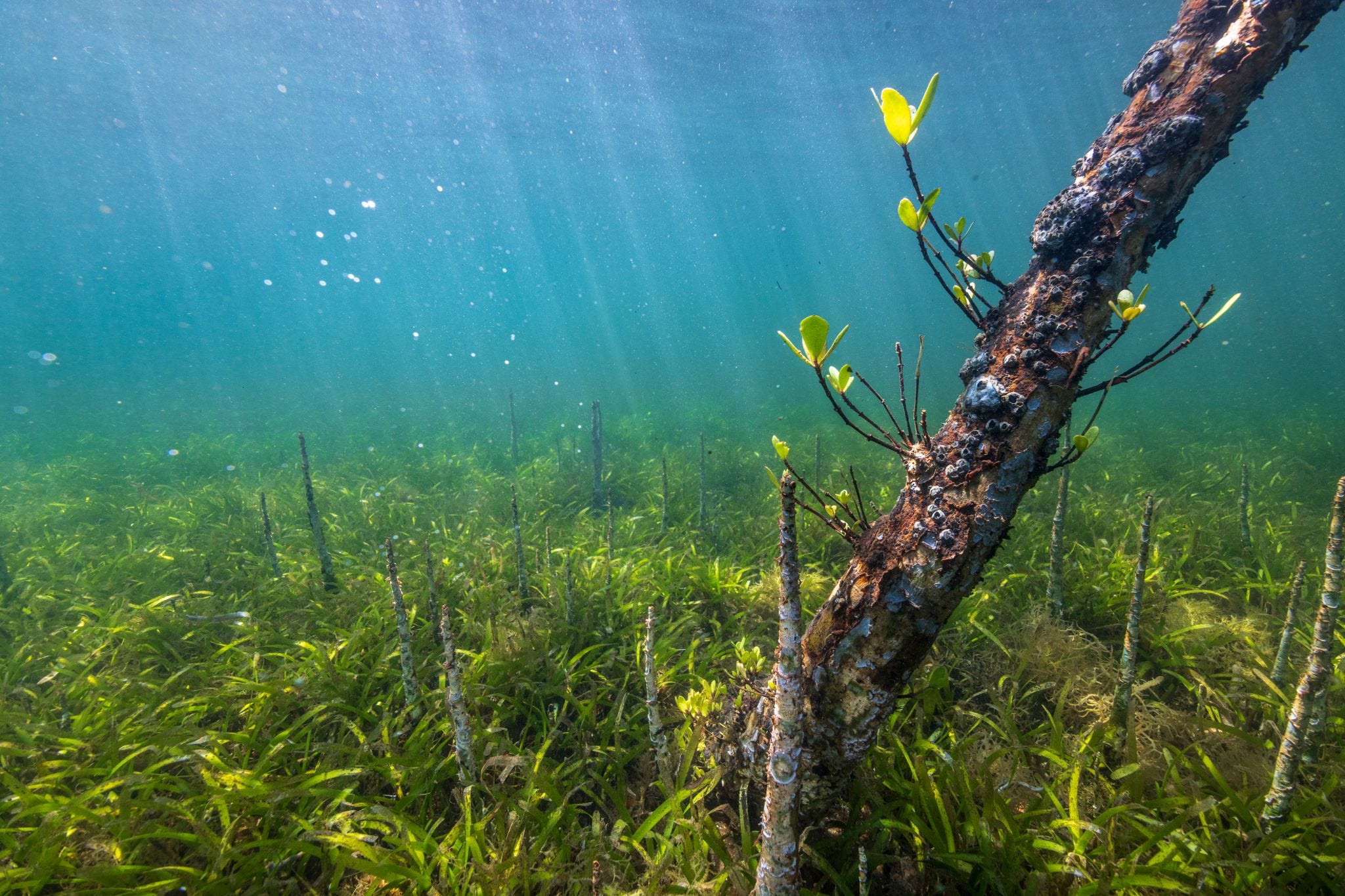
Biodiversity credits are an emerging financing tool that allows businesses to fund the protection of ecosystems, similar in concept to carbon credits but focused on nature and habitat health rather than emissions. The Vanga Seagrass Project by ACES in Kenya is set to be one of the first certified marine biodiversity projects in the world, protecting 225 hectares of seagrass meadows through an internationally recognized certification process. Vanga Bay contains about 14% of all seagrass in Kenya and supports endangered species including dugongs, but the meadows had been degraded by illegal and destructive fishing practices before the project began.
What makes the project stand out is that protection is community-led. The communities of Vanga, Jimbo, Kiwegu, and Jasini designated two areas in the bay for protection themselves, and community members now run regular sea patrols to enforce it. The project is notable for an additional reason, while seagrasses sequester roughly 10% of the carbon buried in ocean sediment each year, existing frameworks make it difficult to certify seagrass under a carbon standard, so the biodiversity route opens a new pathway for funding coastal marine protection.
Learn more about the project here.
That's it for this week. If you have a story, company, or initiative you'd like to see featured, reach out.