


In 2017, Katie Weiler watched a documentary about ocean plastic, took a 30-day pledge to go plastic-free, and describes it as the event that changed the trajectory of her life. She largely held to it for three years, until the pandemic made it nearly impossible. The frustration of being forced back to plastic out of necessity pushed her toward a different question: why aren’t there more alternatives that work better?
The answer she landed on was seaweed. Seaweed contains natural compounds that, with the right processing, can be turned into a plastic-like material. Nobody had built a durable, water-resistant version of it yet. So she started Viable Gear in Maine in 2021 to do it herself.
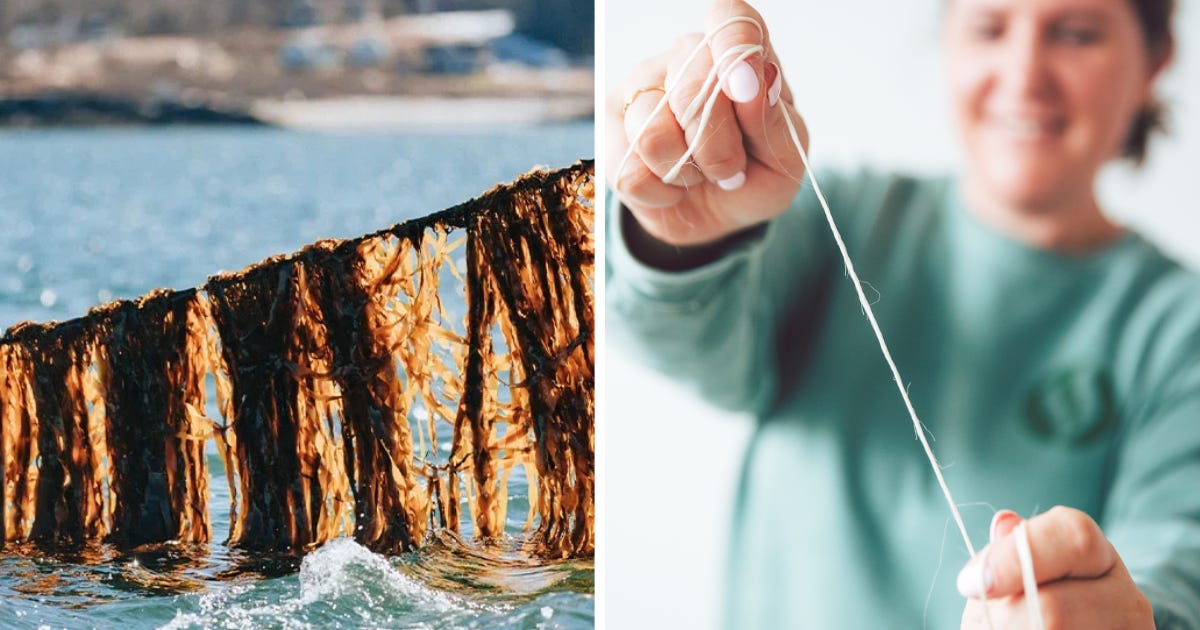
The original target was ghost gear, the lost or discarded fishing equipment that accumulates on coastlines and entangles wildlife. A visit to an island she grew up near, where she counted 121 pieces of ghost gear plastic in a single trip, made that problem feel concrete. Early work focused on a biodegradable rope for the lobster industry, where new environmental regulations around whale entanglement were creating pressure on fishermen to find alternatives.
Around the same time, Emma Lamb was completing her MBA dissertation on bioplastic fishing gear, and they found each other through that overlap. Emma joined as an employee and then later became a co-founder. The two of them, alongside a consultant with more than 35 years in the seaweed industry, developed what became Viable Gear’s patent-pending material.
The fishing industry turned out to be a harder near-term market. But while testing in freshwater, the material performed well, and a contact in agriculture pointed them toward greenhouse growing. Tomato and vegetable farmers use enormous amounts of nylon twine for tying and trellising their crops, and natural alternatives like hemp and jute tend to absorb moisture and snap. Viable Gear’s SeaTwine is more water-resistant and priced to compete directly with conventional plastic twine, while fully breaking down in soil and in seawater at the end of its life.
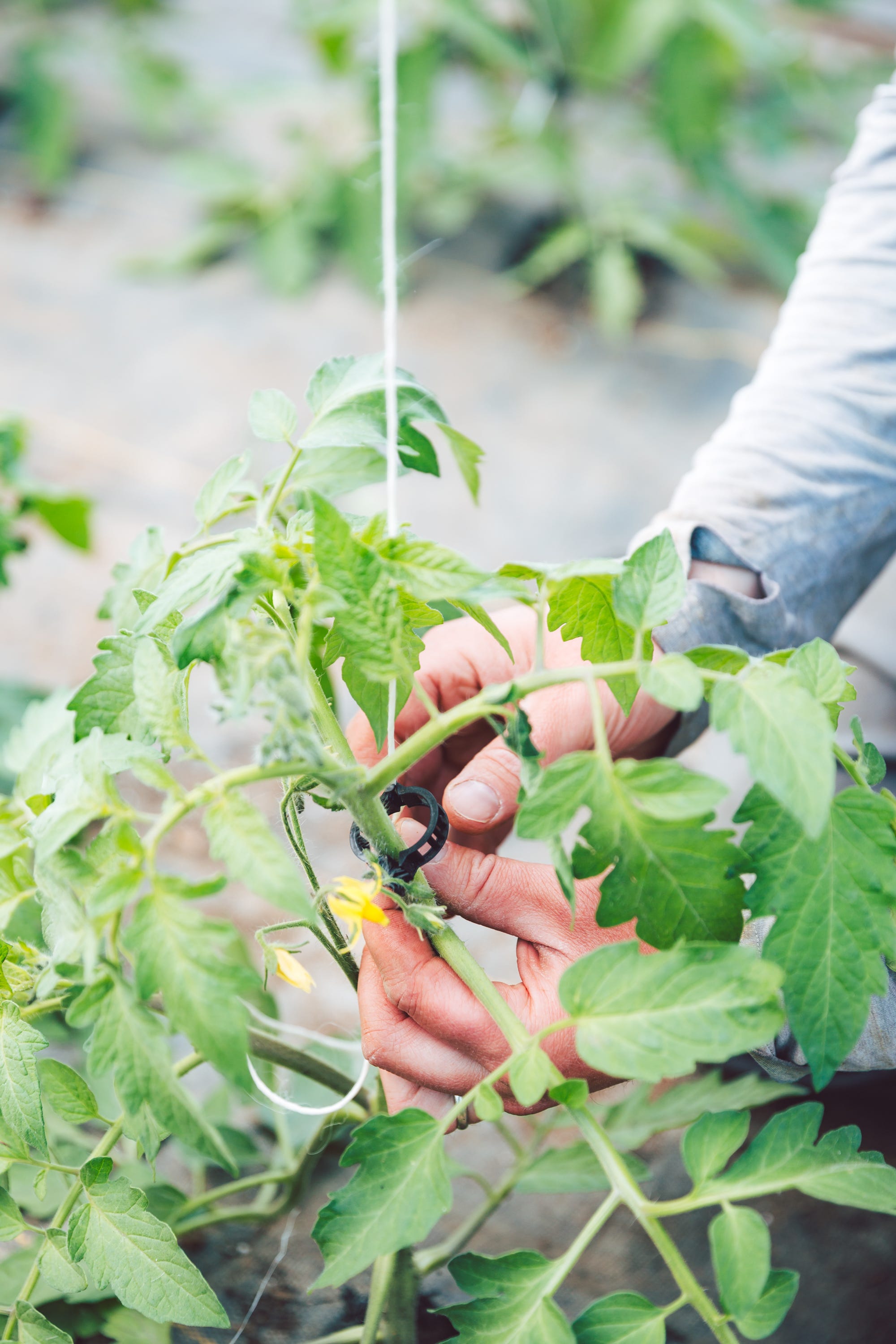
SeaTwine is now on 12 farms across Maine and California, and the company’s pre-sale has moved 74 of 100 spools. Katie describes the product as a proof of concept for the material itself, not the end point.
One of the more unexpected developments has been what the material turns out to be capable of beyond the original applications. Working with it, the team discovered it is highly fire-retardant. Pressed and layered, the same fibers could work as insulation panels in place of the synthetic materials typically used in construction.
Processed into small pellets, the material could replace zip ties, one of the highest-volume sources of plastic waste in both fishing and farming. Each new application the team tests opens another door, and conversations with manufacturers are underway to explore where this material could go next.
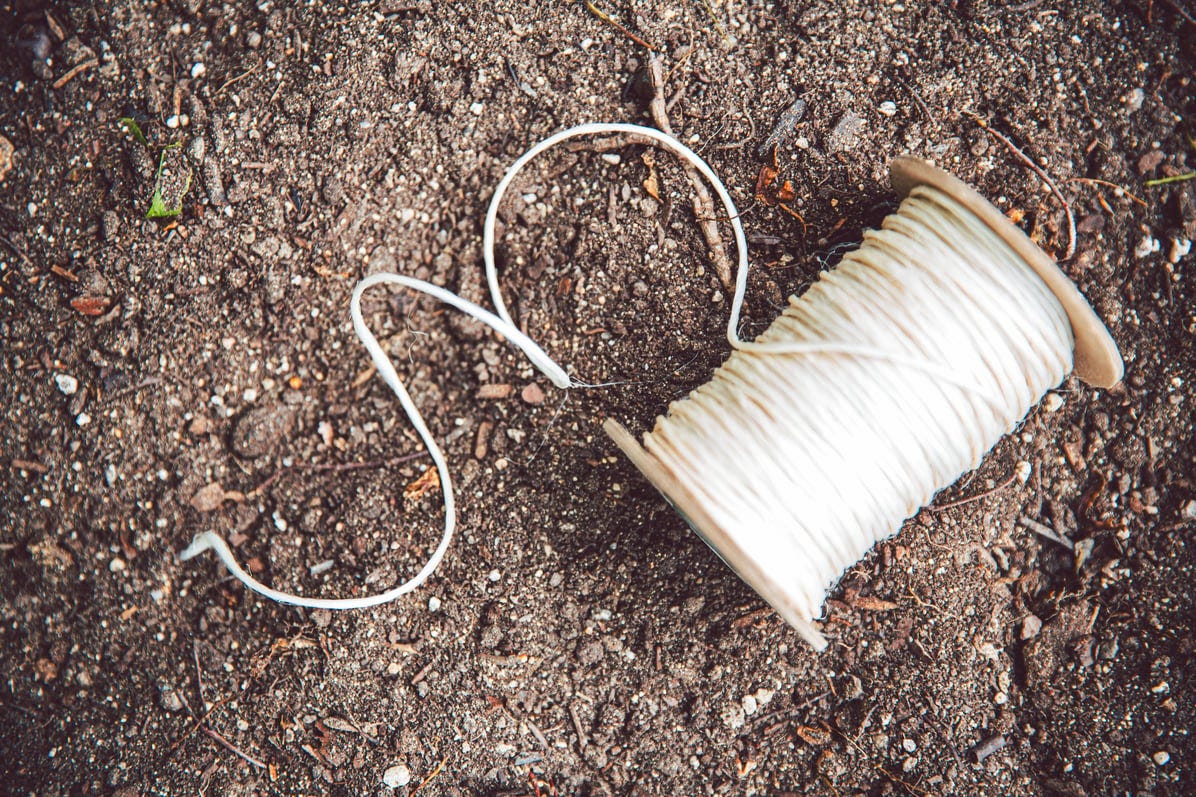
The longer-term model is to operate as a supplier, providing the raw fibers and pellets to manufacturers who build their own products from Viable Gear’s material rather than petroleum-based plastics. SeaTwine validates what the fiber can do commercially. The pellet work is next in line to do the same for molded applications.
One thing Katie is particular about is the word bioplastic. A lot of products marketed as compostable or biodegradable contain materials that do not actually break down. Viable Gear’s material is 92.5% seaweed and 100% natural, which sidesteps those problems. Further, seaweed requires no farmland, fresh water, or fertilizers to grow. It’s a meaningful difference in a category where greenwashing is common, and it’s central to why the company chose seaweed over other available inputs.
Viable Gear is currently closing a pre-seed round and is live on CataCap, a platform that lets impact investors participate starting at $250. To follow Viable Gear’s work or explore investing, visit viablegear.com or find them on CataCap here.
This article is part of a spotlight series on Blue Tide, which tells a deeper story about the people and solutions shaping the blue economy. If you know someone who would like to be featured then send me an email.
What an incredible article about a new venture. Thank you for writing about this. Glad I came across this on my feed. My blog is actually about the latest technology, news and stories of sustainability and climate action, and seaweed has been my latest obsession. I don’t think I ever knew how powerful it really is and how it has the answer to every problem of ours why understanding it from all POVs. Here’s my piece! would love your thoughts on it. https://arshiyaarora.substack.com/p/sus101-seaweed-and-why-it-should?r=3pcwen&utm_medium=ios
What an inspiring thing to read about! Hoping that South Florida can find relief for their sargassum situation soon enough.
There's a biological removal grant open right now for all coastal communities through DEP but I fear that anything collected by their contractors will go directly into a landfill :(